
It started with a simple craving for something different, a dish that would transport my taste buds on an adventure. Enter creamy Gochujang Pasta, a delightful fusion dish that beautifully marries the spicy-sweet depth of Korean Gochujang with the comforting embrace of Italian pasta. In just 15 minutes, you can whip up this quick and easy dinner that’s perfect for everything from cozy date nights to lively gatherings with friends. Not only does this recipe stand out as a crowd-pleaser, it also offers a surprising twist on traditional pasta that opens up a world of flavor. Whether you choose to indulge in the luxurious creaminess or experiment with vegan alternatives, this dish has something for everyone. Are you ready to take your pasta game to the next level? Let’s dive in!
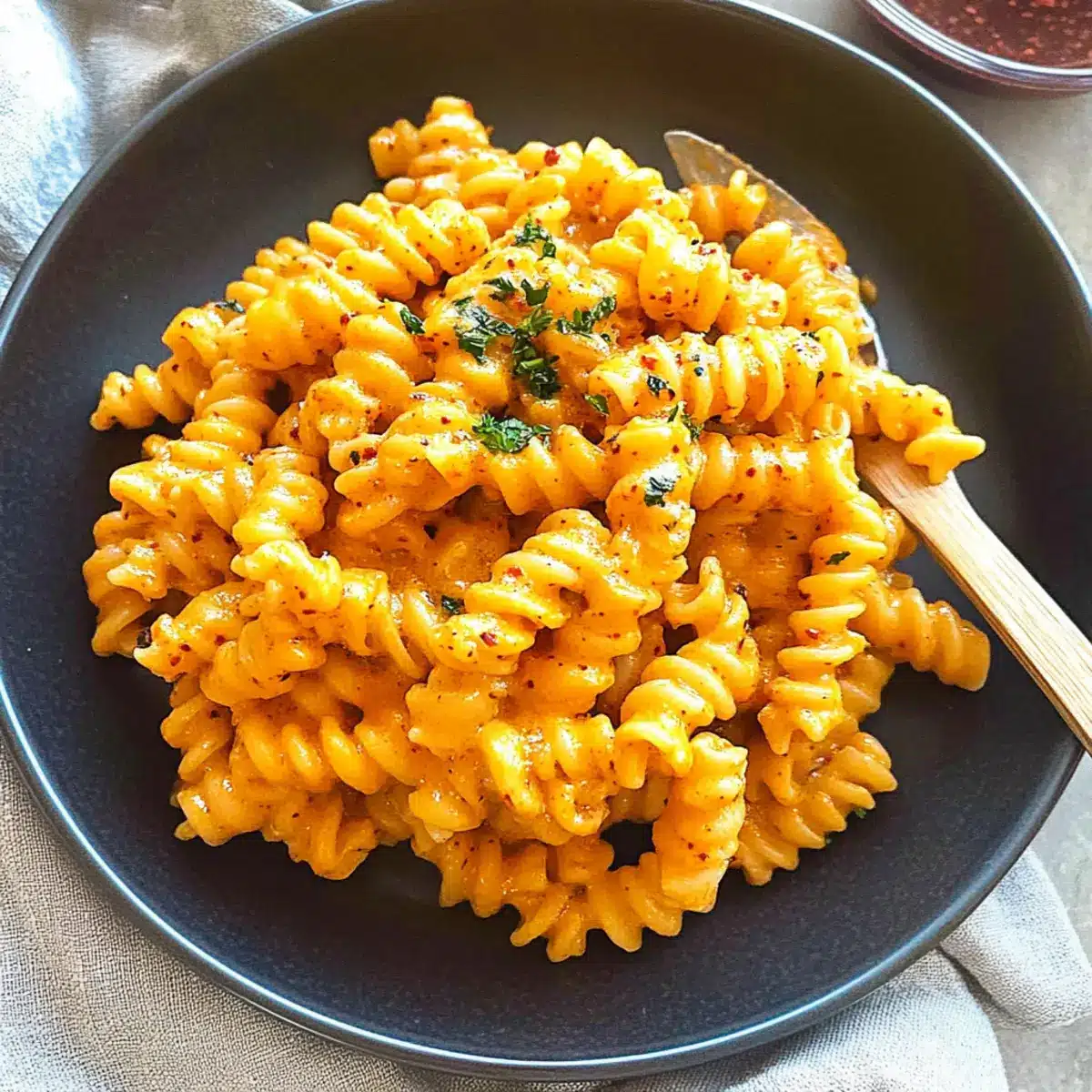
Why is Gochujang Pasta a must-try?
Unique Flavor: The adventurous blend of spicy-sweet Gochujang and creamy sauce creates a flavor explosion that redefines comfort food.
Quick Preparation: With just 15 minutes needed, you’ll go from kitchen to table in no time—ideal for busy weeknights or unexpected guests.
Versatile Base: This dish can easily adapt to your dietary needs—switch out the cheese for nutritional yeast or add sautéed veggies for a vibrant twist.
Crowd Favorite: Serve it up at your next gathering, and watch as everyone comes back for seconds (and thirds). Looking for a perfect side? Try pairing it with a zesty Garlic Butter Pasta for an unforgettable meal.
Comforting Texture: Enjoy each bite as the creamy sauce clings to the pasta, enveloping you in a comforting embrace.
Gochujang Pasta Ingredients
For the Pasta
• Fusilli Corti Bucati Pasta – A delightful choice for holding the creamy sauce; feel free to swap it for your favorite pasta shape.
For the Sauce
• Gochujang – This Korean chili paste is the star of the dish, adding a perfect kick of spice; remember to check for gluten-free options.
• Garlic – Freshly minced to bring aromatic depth to your sauce—don’t skip this!
• Salted Butter – Adds rich creaminess to the sauce; unsalted butter is a great alternative if you prefer.
• Olive Oil – Enhances the sautéing of garlic and provides a silky texture to the sauce.
• Shredded Parmesan or Cheddar Cheese – For a luscious, cheesy flavor; swap with nutritional yeast for a vegan option.
• Heavy Cream – Creates a rich and creamy sauce; consider using half-and-half or a dairy-free variant for lighter options.
• Black Pepper – An optional yet flavorful addition; freshly ground is best for optimal taste.
• Chopped Parsley – Used as a fresh garnish to brighten the dish; cilantro or basil are lovely substitutes.
With these vibrant ingredients, you’ll be well on your way to creating a memorable Gochujang Pasta that’s sure to impress!
Step‑by‑Step Instructions for Gochujang Pasta
Step 1: Prepare the Pasta
Begin by bringing a large pot of water to a rolling boil over high heat. Once boiling, add a generous pinch of salt for flavor. Introduce the fusilli corti bucati pasta into the pot, cooking for 7-12 minutes or until al dente. Stir occasionally to prevent sticking. Once cooked, reserve a cup of pasta water, strain, and set the pasta aside in a large bowl.
Step 2: Make the Sauce
In a sauté pan, combine 2 tablespoons of salted butter and 1 tablespoon of olive oil over medium heat. Allow the butter to melt and foam, then add 2 cloves of minced garlic. Sauté for 30-60 seconds, watching for the garlic to become fragrant and golden, ensuring it doesn’t burn for a delightful aroma in your creamy Gochujang Pasta.
Step 3: Combine Ingredients
Once the garlic is aromatic, stir in 2 tablespoons of gochujang and 1 cup of heavy cream. Increase the heat slightly, mixing well to combine the flavors. Cook for 1-2 minutes, allowing the sauce to thicken gently. The vibrant red color of the gochujang will begin to infuse the sauce, creating a beautiful base for your Gochujang Pasta.
Step 4: Stir in Cheese
Next, add 1 cup of shredded Parmesan or cheddar cheese to the sauce, stirring until melted and creamy. If you prefer a vegan option, substitute the cheese with nutritional yeast. Continue to cook the sauce for another minute, watching for it to reach a luxuriously smooth consistency as it clings to the pasta.
Step 5: Mix Pasta and Sauce
Now, carefully add the cooked fusilli pasta to the bubbling sauce in the sauté pan. Use tongs to gently toss the pasta in the sauce, ensuring each spiral is coated evenly. If the sauce appears too thick, gradually add a splash of reserved pasta water until your desired creamy consistency is achieved.
Step 6: Serve and Garnish
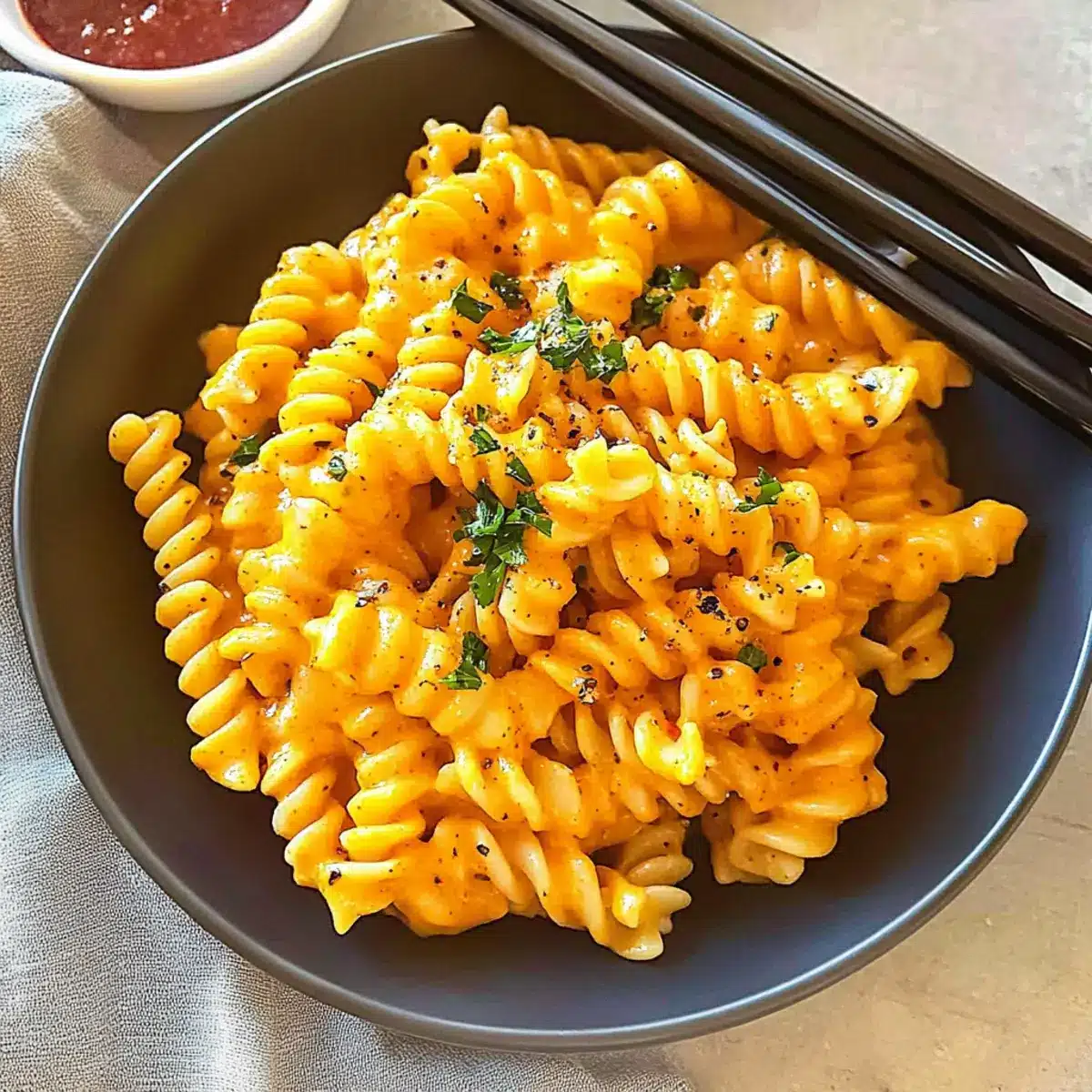
Once everything is well combined and heated through, transfer the creamy Gochujang Pasta onto serving plates. Sprinkle with freshly chopped parsley for a vibrant touch, and perhaps an extra pinch of black pepper for an aromatic finish. Serve immediately for the best experience, as the flavors meld harmoniously with every bite.
Expert Tips for Gochujang Pasta
-
Sauté Garlic Carefully: Avoid burning the garlic by sautéing it on medium heat—overcooked garlic can give a bitter taste to your sauce.
-
Add Cream Slowly: To prevent curdling, pour the heavy cream gradually into the sauté pan while stirring continuously.
-
Experiment with Pasta Shapes: Different pasta types can change the texture; try fettuccine or penne to see which you prefer for your Gochujang Pasta.
-
Enhance with Proteins: Incorporate cooked chicken, shrimp, or even tofu for a heartier meal. This can also balance the spiciness of the sauce.
-
Use Fresh Herbs: Don’t skimp on the garnish; fresh parsley, cilantro, or basil will elevate the dish’s presentation and add bright notes of flavor.
-
Leftovers Save Well: If you have leftover Gochujang Pasta, store it in an airtight container in the fridge for up to five days—simply reheat for a quick meal!
Gochujang Pasta Variations & Substitutions
Feel free to play around with the ingredients to create your perfect version of this delightful dish!
- Vegan Option: Replace heavy cream with coconut milk or almond milk and use nutritional yeast instead of cheese for a creamy texture.
- Gluten-Free: Opt for gluten-free pasta like brown rice or quinoa pasta to ensure everyone can savor this dish.
- Extra Veggies: Toss in sautéed seasonal vegetables such as bell peppers, zucchini, or spinach to boost nutrition and flavor.
- Protein Boost: Add grilled chicken, shrimp, or chickpeas for a heartier meal—perfect for satisfying appetites!
- Creamy White Sauce: Swap out the gochujang for a classic alfredo sauce for a milder, yet equally comforting dish.
- Nutty Flavor: Stir in toasted sesame oil at the end for a warm, nutty touch that beautifully complements the gochujang.
- Spice Level: For extra heat, add red pepper flakes or sliced fresh chili to your sauce to kick it up a notch.
- Scrumptious Sides: Serve this pasta with a refreshing side of Spinach Tomato Pasta or some delicious kimchi for an authentic Korean twist.
Explore these delicious variations to make your Gochujang Pasta an even more exciting meal!
Make Ahead Options
These creamy Gochujang Pasta preparations are ideal for meal prep enthusiasts! You can cook the fusilli pasta and store it in an airtight container in the refrigerator for up to 3 days. Similarly, prepare the sauce (without adding the cheese) and refrigerate it for the same length of time. When you’re ready to enjoy your meal, simply reheat the sauce in a pan while stirring in the cheese until melted and creamy. Toss the pre-cooked pasta in the heated sauce, adding a splash of reserved pasta water if needed to reach a smooth consistency. This approach saves valuable time on busy weeknights while ensuring your dish remains just as delicious!
How to Store and Freeze Gochujang Pasta
Fridge: Store leftovers in an airtight container for up to 5 days. Allow to cool completely before sealing to maintain freshness.
Freezer: Gochujang Pasta can be frozen for up to 3 months; portion into freezer-safe containers, separating layers with parchment paper to prevent sticking.
Reheating: To reheat, thaw overnight in the fridge then gently warm on the stove over medium-low heat, adding a splash of water or cream as needed for creaminess.
Tip: If you want to enjoy your Gochujang Pasta later, consider freezing the sauce and pasta separately for better texture when reheating!
What to Serve with Creamy Gochujang Pasta
Pair your meal with delightful sides and beverages to create a memorable dining experience.
- Garlic Bread: Perfectly toasted with herbs and butter, it adds a delightful crunch and warmth, ideal for soaking up the creamy sauce.
- Sautéed Greens: Fresh spinach or kale lightly sautéed with garlic makes for a vibrant and nutritious balance, bringing contrasting textures to your plate.
A light and refreshing side can elevate your meal, and sautéed greens do just that. The slight bitterness of the greens complements the creamy pasta, creating a harmonious blend on your palate.
- Kimchi: This traditional Korean side dish introduces a zesty crunch and spiciness, perfectly enhancing the gochujang flavors in your pasta.
- Cucumber Salad: A cool and tangy cucumber salad refreshes the palate, providing a crisp counterbalance to the creamy richness of the dish.
Consider a cucumber salad for a colorful and mouthwatering contrast. The cool, zesty dressing brightens the meal, making each bite of pasta all the more enjoyable.
- Chardonnay or Sauvignon Blanc: A crisp white wine enhances the spiciness of the gochujang and complements the creaminess of the sauce, creating a delightful pairing.
- Chocolate Mousse: End your meal on a sweet note with a light chocolate mousse, offering a rich dessert that balances the heat from the pasta while keeping the evening indulgent.
Gochujang Pasta Recipe FAQs
What kind of pasta should I use for Gochujang Pasta?
You can use fusilli corti bucati, which excels at holding onto the creamy sauce. However, feel free to swap it for your favorite pasta shape, such as fettuccine or linguine, depending on your preference!
How do I store leftovers of Gochujang Pasta?
For best results, store leftovers in an airtight container in the refrigerator for up to 5 days. Make sure to allow the pasta to cool completely before sealing the container to preserve its freshness.
Can I freeze Gochujang Pasta?
Absolutely! You can freeze Gochujang Pasta for up to 3 months. Portion it into freezer-safe containers, and for added protection against sticking, layer parchment paper between the portions. When ready to enjoy, thaw overnight in the refrigerator and gently reheat over medium-low heat.
What if the sauce is too thick after cooking?
If you find your sauce is thicker than desired, don’t worry! Simply add a splash of the reserved pasta water slowly, stirring as you go. This will help achieve that creamy, luxurious consistency we all adore in Gochujang Pasta.
Are there any dietary considerations with Gochujang?
Yes! While Gochujang is naturally gluten-free, always double-check the label to ensure there are no hidden gluten ingredients. Additionally, if you’re vegan, replace the cheese with nutritional yeast and opt for plant-based cream alternatives for a delicious version that suits your dietary needs.
How should I enhance the flavor of Gochujang Pasta?
To elevate your Gochujang Pasta, consider adding sautéed vegetables like bell peppers or zucchini for added nutrition and color. You can also incorporate a protein like grilled chicken or tofu to create a hearty meal that balances the spiciness of the dish beautifully.
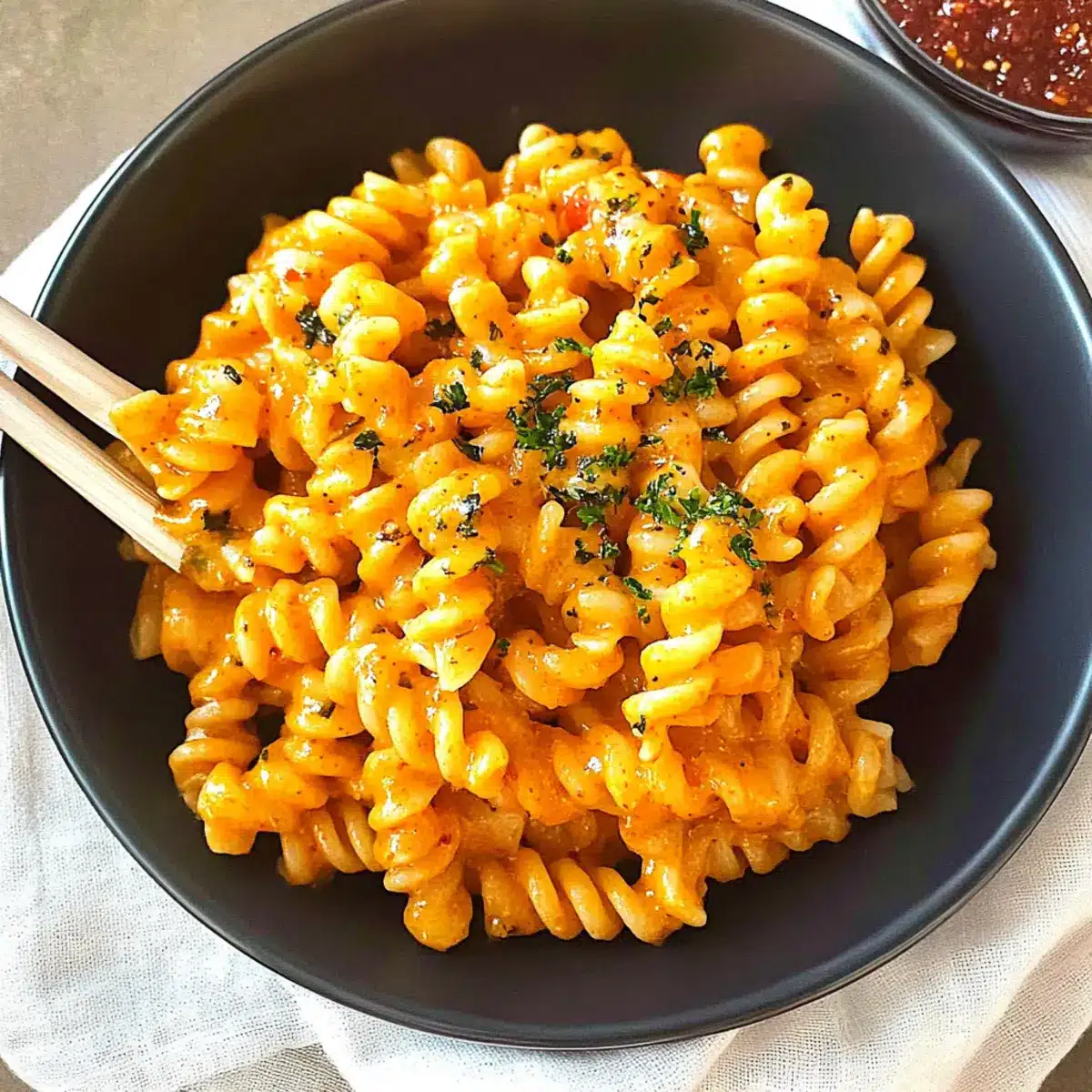
Creamy Gochujang Pasta: A Spicy Twist on Comfort Food
Ingredients
Equipment
Method
- Bring a large pot of water to a boil and add a pinch of salt. Cook fusilli corti bucati pasta for 7-12 minutes until al dente, then reserve a cup of pasta water, strain, and set aside.
- In a sauté pan, melt butter and olive oil over medium heat, then add minced garlic and sauté for 30-60 seconds until fragrant.
- Stir in gochujang and heavy cream, mix well, and cook for 1-2 minutes until the sauce thickens.
- Add shredded cheese to the sauce and stir until melted and creamy.
- Mix the cooked pasta into the sauce, tossing gently with tongs, adding reserved pasta water as needed for consistency.
- Serve on plates and garnish with chopped parsley and a pinch of black pepper.
Leave a Reply