
As I flipped the last pancake, I could hear the satisfying sizzle of the crispy edges calling me over. These Korean Vegetable Pancakes, or Yachaejeon, have become my go-to recipe for a quick and vibrant snack that not only pleases the palate but also makes the most of any fresh vegetables I have on hand. In just 30 minutes, you can whip up these golden delights, perfect as a light meal or side dish. Plus, with their crispy exterior and tender veggie center, they’re a hit for everyone, making it easier than ever to say goodbye to fast food and hello to homemade goodness. Have you ever thought about how simple ingredients can unite to create something so delicious? Let’s dive in!
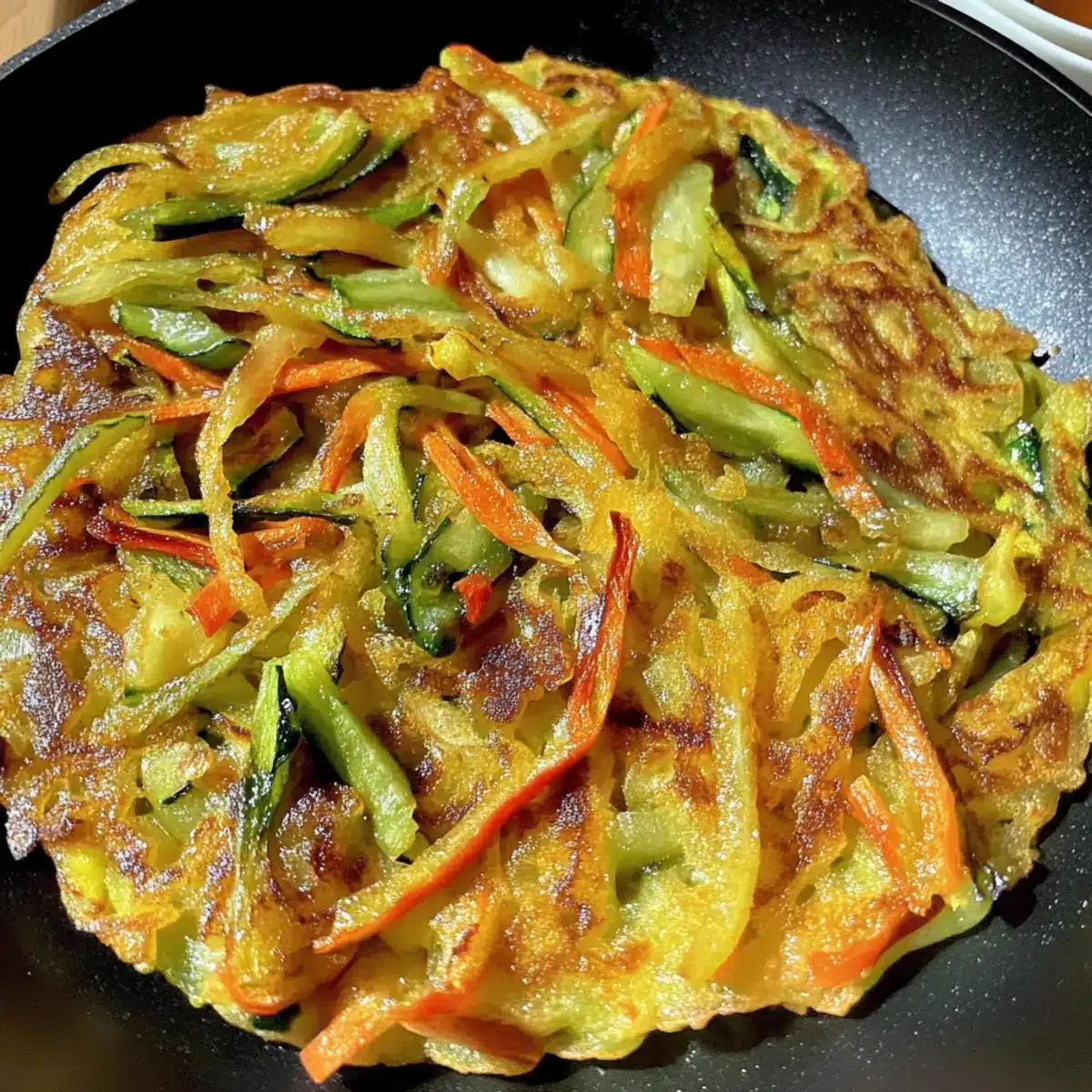
Why are Korean Vegetable Pancakes a must-try?
Crispy exterior brings a delightful crunch that will leave you wanting more. Healthy and vibrant, these pancakes pack a punch of color and nutrients thanks to the fresh vegetables. Quick to prepare in just 30 minutes, they’re perfect for busy weeknights. Versatile dish: feel free to swap in seasonal veggies for endless variations! Plus, when served with a soy-vinegar dipping sauce, they transform into an irresistible snack. Say goodbye to fast food and hello to this easy homemade treat!
Korean Vegetable Pancakes Ingredients
-
For the Batter
-
Flour – Primary structure provider for the batter; use all-purpose flour or a gluten-free blend for substitutes.
-
Cornstarch – Enhances the batter’s crispiness; adjust as desired for texture.
-
Water – Hydrates the batter to achieve the right consistency; use cold water for extra crunch.
-
Turmeric – Adds color and subtle warmth; can be omitted if unavailable.
-
Salt – Enhances overall flavor; adjust based on dietary preferences.
-
Baking Powder – Provides leavening for a lighter texture; ensure it’s fresh for best results.
-
For the Vegetables
-
Green Onions – Adds freshness and color; substitute with chives if preferred.
-
Red Onion – Provides sweetness and crunch; spring onions can be used as a replacement.
-
Carrot – Offers natural sweetness and texture; zucchini can be substituted.
-
Red Pepper – Contributes crunch and sweetness; any bell pepper variety may be used.
-
Cabbage – Adds volume and flavor; use Napa or regular cabbage, or kale for variation.
-
Hot Pepper – Introduces heat; optional based on spice preference.
-
For Frying
-
Oil for Frying – Neutral oil like vegetable or canola helps achieve a crispy finish; sesame oil can enhance flavor.
These Korean Vegetable Pancakes delight with their crispy edges and tender centers—perfect for fast, flavorful meals!
Step‑by‑Step Instructions for Korean Vegetable Pancakes
Step 1: Prepare the Vegetables
Start by washing and slicing your green onions, red onion, carrot, red pepper, cabbage, and any hot pepper you choose to use. Aim for thin, uniform pieces that will mix well into the batter. This should take around 5-7 minutes. Lay them out on a cutting board for easy access as you move on to the next steps.
Step 2: Make the Batter
In a large mixing bowl, whisk together 1 cup of flour, 2 tablespoons of cornstarch, ½ teaspoon of turmeric, ½ teaspoon of salt, and 1 teaspoon of baking powder. Gradually add about ¾ cup of cold water while whisking until you achieve a smooth, slightly thick batter. This process takes around 5 minutes, and the batter should have a consistency thick enough to coat the vegetables but not too runny.
Step 3: Mix the Vegetables
Gently fold the prepared vegetables into the batter using a spatula until they are evenly coated. This step ensures that each vegetable contributes its flavors and textures to the Korean Vegetable Pancakes. The mixture should be colorful and vibrant, pulling everything together beautifully. This should take about 3 minutes of gentle mixing.
Step 4: Prepare the Dipping Sauce
While the batter sits for a moment, prepare a simple dipping sauce. In a small bowl, combine 2 tablespoons of soy sauce, 1 tablespoon of rice vinegar, 1 teaspoon of sesame oil, 1 teaspoon of toasted sesame seeds, and a pinch of chili flakes if you enjoy some heat. Stir the ingredients together well, and set aside. This will only take about 2-3 minutes.
Step 5: Heat the Pan
Pour about 2 tablespoons of neutral oil into a non-stick skillet and place it over medium heat. Allow the oil to heat for approximately 2-3 minutes until shimmering but not smoking. This preparation is essential for achieving the crispy exterior of your Korean Vegetable Pancakes—make sure it’s hot enough before you add the batter.
Step 6: Cook Pancakes
Spoon the vegetable batter into the skillet, spreading it into a thin, even layer with the back of the spoon. Cook for about 3-4 minutes until the edges turn golden brown and crispy. Use a spatula to gently lift and check the bottom; it should be a vibrant golden color before flipping.
Step 7: Repeat Cooking
Carefully flip the pancakes and cook the other side for another 3-4 minutes, looking for that same golden crispiness. Once done, remove them to a plate and repeat the cooking process with the remaining batter, adding more oil as needed. Ensure you don’t overcrowd the pan, which can hinder achieving that perfect texture.
Step 8: Serve
Once all the Korean Vegetable Pancakes are cooked, serve them warm with your prepared soy dipping sauce. Enjoy them right away to savor that delightful crunch! These pancakes are perfect as a light meal or snack and will surely impress anyone who tries them.
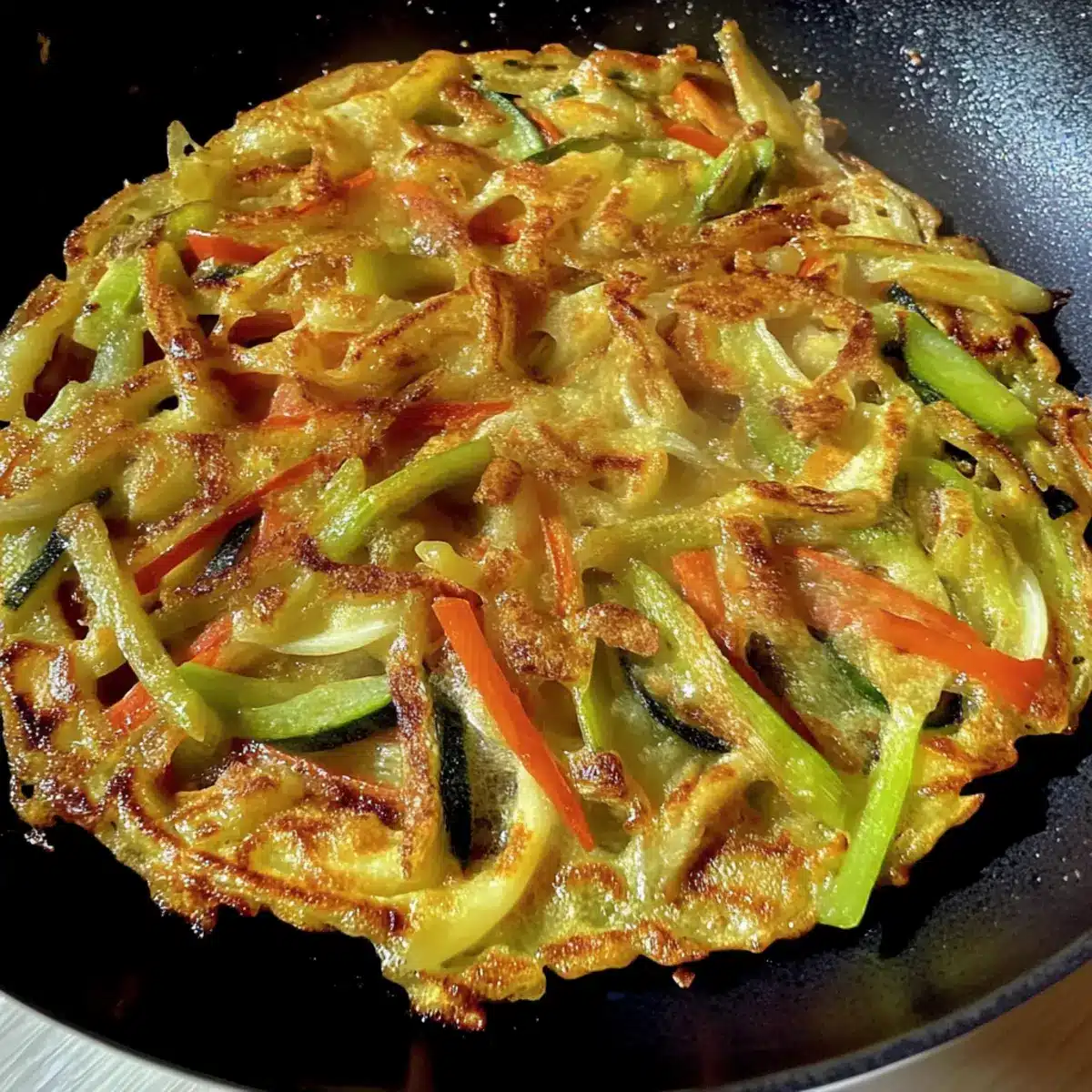
Expert Tips for Korean Vegetable Pancakes
-
Maximize Crispiness: Spread the batter thin before frying; this ensures that each pancake achieves that desirable crispy texture everyone loves.
-
Avoid Overcrowding: Fry only one or two pancakes at a time in the skillet. This allows for even cooking and prevents sogginess, making your Korean Vegetable Pancakes perfectly cooked.
-
Fresh Ingredients: Choose crisp, fresh vegetables for optimal flavor. Stale or wilting veggies can lead to limp pancakes that miss the mark.
-
Monitor Batter Consistency: If the batter is too thick, simply add a little more water. A smooth, slightly thick batter helps coat the vegetables evenly and promotes fine texture.
-
Adjust Heat Accordingly: If pancakes are browning too quickly, lower the heat to ensure the inside cooks through without burning the outside. This helps in achieving that tender center everyone craves.
How to Store and Freeze Korean Vegetable Pancakes
-
Room Temperature: Korean Vegetable Pancakes are best enjoyed fresh, so it’s ideal to eat them right after cooking. If left out, consume within 2 hours.
-
Fridge: Store in an airtight container for up to 2 days. When ready to enjoy, reheat in a skillet over medium heat, adding a splash of oil for that coveted crispiness.
-
Freezer: Stack pancakes with parchment paper between layers and freeze for up to 1 month. To reheat, place them in a preheated oven at 375°F (190°C) for 10-15 minutes or in a skillet until warmed through.
-
Reheating: For the best texture, reheat any remaining pancakes in a skillet with a dash of oil to restore their crunch!
Make Ahead Options
These Korean Vegetable Pancakes are fantastic for meal prep enthusiasts! You can chop the vegetables up to 3 days in advance and store them in an airtight container in the refrigerator to keep them fresh and crisp. Additionally, you can prepare the batter and store it covered in the fridge for up to 24 hours; just give it a quick stir before using, as it may thicken slightly. When you’re ready to serve, simply heat your skillet and cook the pancakes as instructed—this way, you’ll have delicious, homemade Korean Vegetable Pancakes in under 10 minutes, perfect for busy weeknights and family meals without sacrificing flavor!
Variations & Substitutions for Korean Vegetable Pancakes
Feel free to play around with this recipe to make it your own—each alteration brings out unique flavors and experiences!
-
Gluten-Free: Swap all-purpose flour with your favorite gluten-free flour blend for a sensitive-friendly option. This variation retains the pancakes’ delicious texture without sacrificing flavor.
-
Add Mushrooms: Toss in finely chopped shiitake or button mushrooms to introduce an earthy depth to the dish. Their rich umami flavor melds beautifully with the vegetables, making every bite a delight.
-
Creamy Avocado: Consider topping each pancake with sliced avocado for an added creaminess. The rich, buttery texture contrasts the crunch of the pancakes, elevating your snacking experience!
-
Pickled Vegetables: Host a flavorful twist of tang by adding grated pickled daikon or carrots into the batter. Their zesty crunch creates a refreshing addition that brightens the overall flavor profile.
-
Dairy-Free: For a dairy-free version, simply omit any dairy-based dips, opting for a tangy soy-based sauce instead. This keeps your dish light and plant-centric.
-
Age-Old Kimchi: Incorporate finely chopped kimchi for a spicy, fermented twist. Not only does this elevate the flavor, but it also adds nutritious probiotics to your meal, enhancing its health benefits!
-
Seasonal Swap: Use whatever fresh vegetables are in season to keep the flavors vibrant and exciting. Think asparagus in spring or butternut squash in fall—you truly can’t go wrong!
-
Extra Crunch: Try mixing in panko breadcrumbs before frying for an added crunch. This gives your pancakes an irresistible crispy exterior, reminiscent of that coveted street food texture!
As you explore these variations, don’t forget to check out how to pair these with delicious sides like Vegetable Orzo Soup or enjoy them alongside the delightful flavors of Cheesy Root Vegetable. Dive into these combinations and let your taste buds take center stage!
What to Serve with Crispy Korean Vegetable Pancakes?
Step into a delightful culinary journey where fluffy, vibrant pancakes meet flavors that bring your meal to life.
-
Soy-Vinegar Dipping Sauce: This rich, tangy sauce elevates the pancakes with a perfect balance of flavor, enhancing every bite.
-
Steamed Jasmine Rice: The fragrant aroma and soft texture of jasmine rice create a comforting base that complements the crunchiness of the pancakes.
-
Kimchi: This tangy and spicy fermented dish adds a beautiful contrast to the savory pancakes, bringing an authentic Korean experience to your table.
-
Fresh Cucumber Salad: A refreshing, crunchy salad with a zesty dressing offers a bright flavor that balances the richness of the pancakes.
-
Roasted Sweet Potatoes: Their natural sweetness and earthy flavor make for a warm, hearty pairing alongside the savory notes of the pancakes.
-
Sesame Broccoli: The nutty flavors and vibrant color of sesame broccoli create a delightful bite that bursts with freshness—perfect to accompany your meal.
-
Chilled Soju or Beer: A cold, crisp drink will cleanse the palate, making each bite of the crispy pancakes even more enjoyable, especially during warm nights.
This delicious ensemble transforms Korean Vegetable Pancakes from a simple dish into a full meal bursting with flavor and fun!
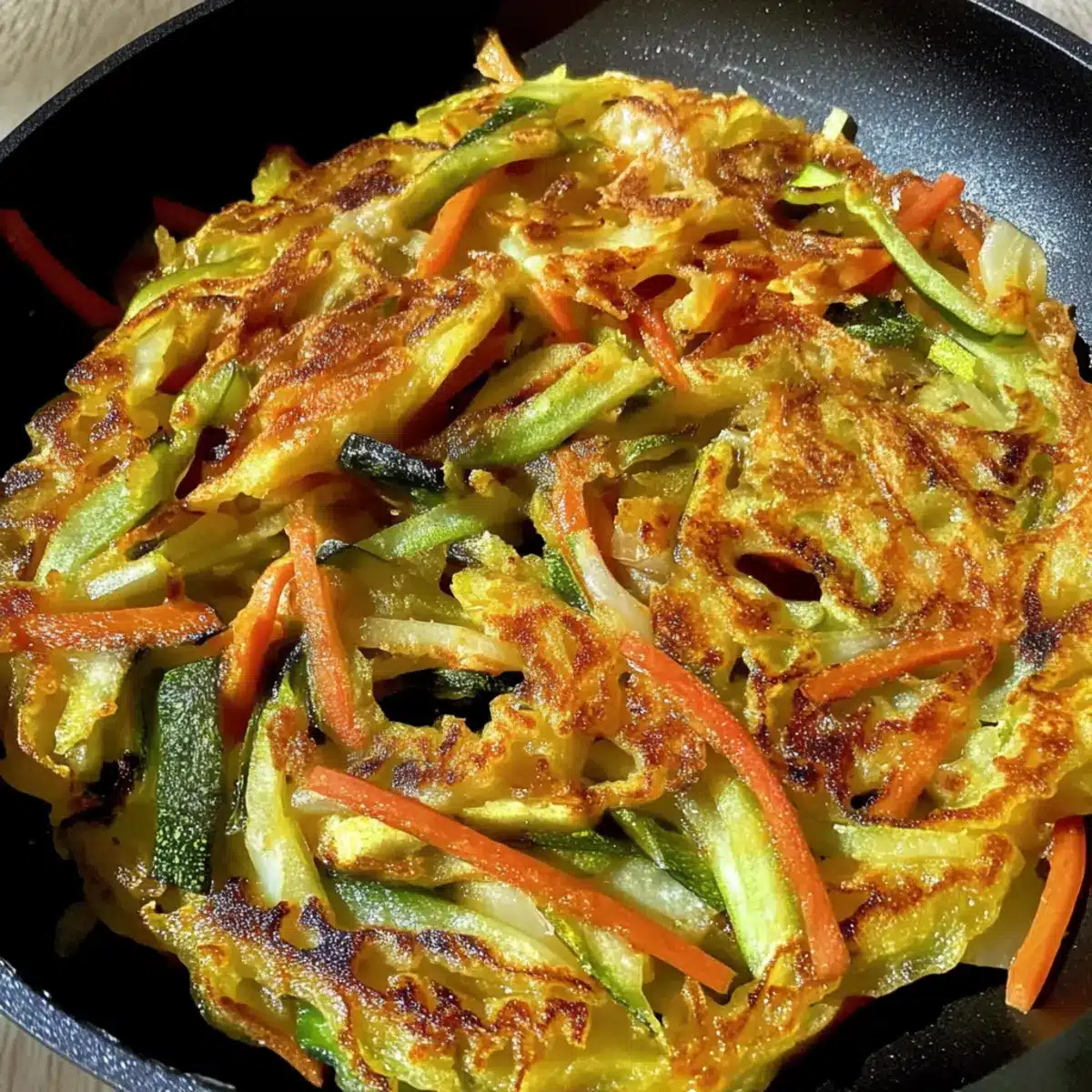
Korean Vegetable Pancakes Recipe FAQs
What type of vegetables work best for Korean Vegetable Pancakes?
Absolutely! The beauty of Yachaejeon lies in its flexibility. You can use any fresh vegetables you have on hand, such as cabbage, carrots, bell peppers, or green onions. Feel free to experiment with seasonal vegetables like zucchini or even add mushrooms for an earthy flavor. Just aim for vibrant, crisp veggies to ensure maximum taste!
How should I store leftover Korean Vegetable Pancakes?
To keep your pancakes fresh, store them in an airtight container in the fridge for up to 2 days. When reheating, I recommend using a skillet over medium heat with a little splash of oil to regain that delightful crispiness. If you find you have more than you can eat, stacking them with parchment paper between each layer and freezing them is a great option!
Can I freeze Korean Vegetable Pancakes?
Yes, indeed! To freeze your pancakes, stack them with parchment paper between layers to avoid sticking. Place them in a freezer-safe container or a zip-top bag. They can be stored in the freezer for up to 1 month. When you’re ready to enjoy, reheat them in a preheated oven at 375°F (190°C) for 10-15 minutes, or in a skillet until warm.
What if my batter is too thick?
If you find your batter is thicker than expected, don’t worry! It’s easy to adjust. Simply add a bit more cold water—start with a tablespoon and mix until you reach a smooth, slightly thick consistency. This will help ensure the batter coats the vegetables evenly and provides that perfect texture.
Are Korean Vegetable Pancakes suitable for gluten-free diets?
Very! You can certainly make these delicious pancakes gluten-free by substituting all-purpose flour with a gluten-free blend. Just check the label to ensure that all ingredients are free from gluten. This way, everyone can enjoy these crispy delights without any dietary concerns!
How long can I keep the pancakes at room temperature?
For the best flavor and texture, it’s advisable to enjoy your Korean Vegetable Pancakes fresh right after cooking. If you must leave them out, aim to consume them within 2 hours to maintain their delightful crispness. Enjoy your homemade treat!
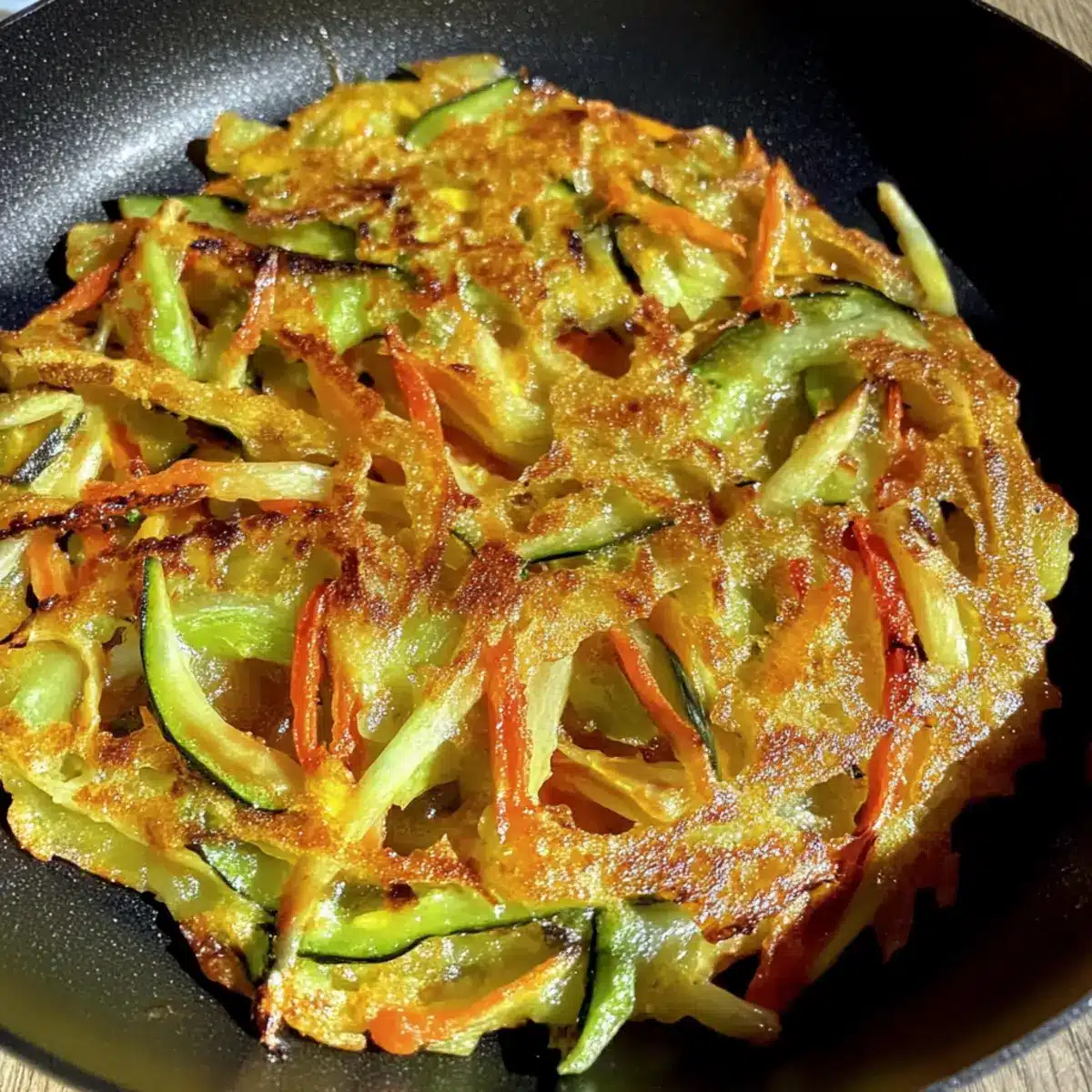
Crispy Korean Vegetable Pancakes Bursting with Flavor
Ingredients
Equipment
Method
- Prepare the Vegetables: Wash and slice the green onions, red onion, carrot, red pepper, cabbage, and hot pepper into thin, uniform pieces.
- Make the Batter: In a bowl, whisk together flour, cornstarch, turmeric, salt, and baking powder. Gradually add cold water while whisking until smooth and slightly thick.
- Mix the Vegetables: Gently fold prepared vegetables into the batter until evenly coated.
- Prepare the Dipping Sauce: In a small bowl, mix soy sauce, rice vinegar, sesame oil, toasted sesame seeds, and chili flakes.
- Heat the Pan: Heat oil in a skillet over medium heat until shimmering.
- Cook Pancakes: Spoon vegetable batter into skillet, spreading into a thin layer. Cook until the edges are golden brown, about 3-4 minutes.
- Repeat Cooking: Flip pancakes and cook for another 3-4 minutes until golden crisp. Remove and repeat with remaining batter.
- Serve: Enjoy warm with dipping sauce.
Leave a Reply